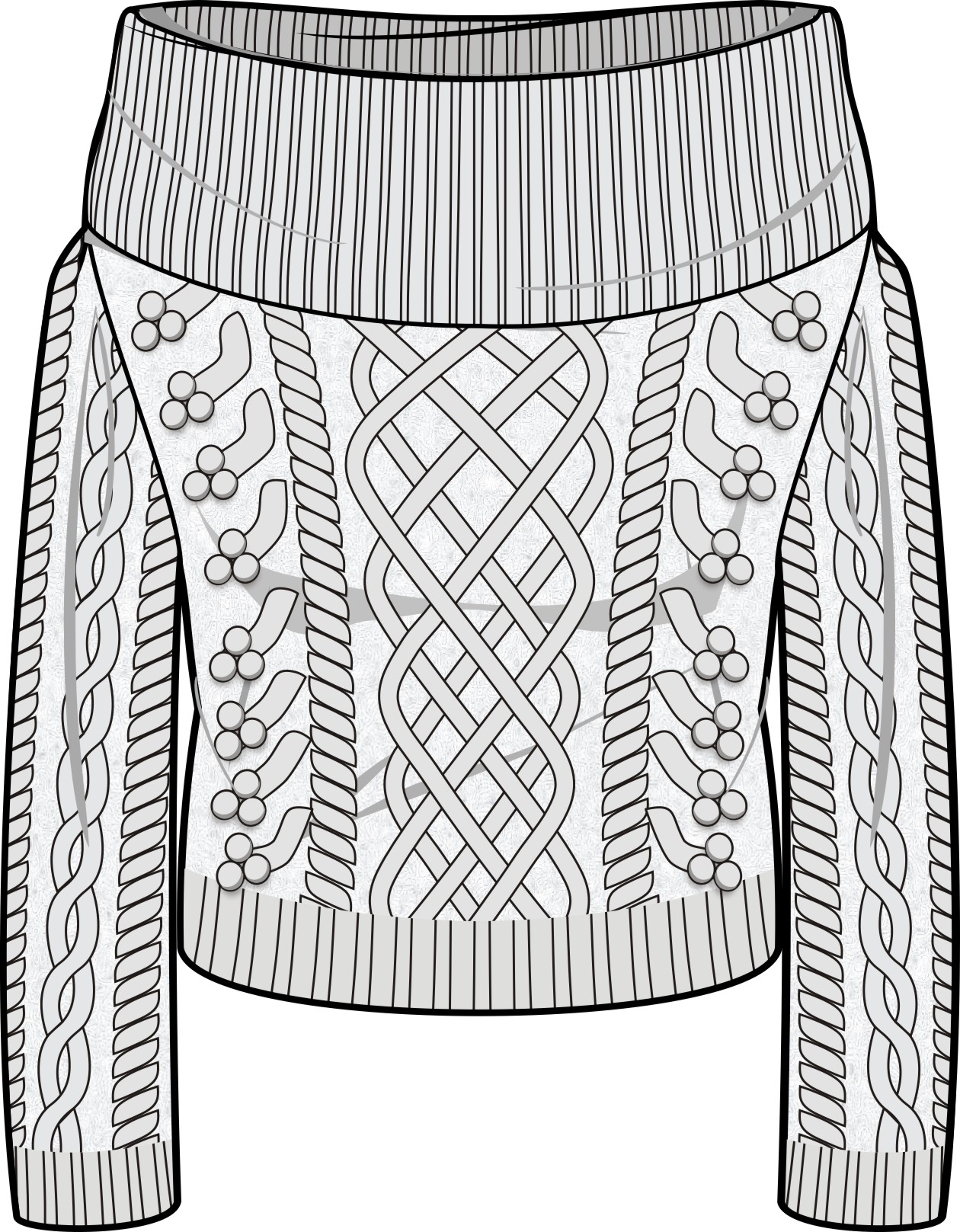
Design Description
Design Concept Analysis: Knitted Garment
1. Fabric & Texture
The garment utilizes knitted fabric, prioritizing softness, stretch, and comfort. Knitting techniques (e.g., ribbing, cable knit, or jersey) likely create visual texture and tactile depth, enhancing both aesthetic appeal and wearability. This fabric choice aligns with trends in cozy, sustainable fashion, as knitted textiles often use natural fibers (wool, cotton) or eco - friendly blends, catering to eco - conscious consumers. The fabric’s inherent stretch ensures ease of movement, while its textured surface adds visual interest, making it suitable for both casual and semi - formal settings.
2. Silhouette & Fit
The silhouette appears to balance fashion and comfort, possibly featuring a relaxed or tailored fit. Knitted garments excel in adaptable silhouettes—either body - hugging (accentuating curves) or flowy (ensuring ease of movement). If the design includes elements like a cinched waist, balloon sleeves, or an A - line hem, it taps into trends like “quiet luxury” (minimalist, refined shapes) or retro - inspired silhouettes (e.g., 90s slip dresses, 70s oversized knits). The fit prioritizes versatility, suitable for layering (ideal for transitional seasons) or standalone wear, meeting the demand for multifunctional wardrobe pieces.
3. Color & Aesthetic
Color plays a key role: neutral tones (beige, black, ivory) suggest timelessness and versatility, while bold hues or patterns (stripes, florals) might emphasize a statement look. The palette likely targets modern minimalism or playful maximalism, depending on the design. Subtle color blocking or tonal gradients could add depth, ensuring the garment complements various outfits and occasions (casual outings, office, or evening events with styling). The chosen color scheme also reflects current trends in understated elegance or vibrant self - expression, appealing to a wide range of style preferences.
4. Details & Embellishments
Small design details elevate the piece: perhaps a unique neckline (off - shoulder, turtleneck), decorative buttons, lace inserts, or contrast stitching. These elements add personality without overwhelming the overall aesthetic. For example, a ribbed collar or cuffs enhances structure, while open - knit panels introduce breathability and visual interest. Such details cater to consumers seeking “elevated basics”—pieces that feel special yet remain versatile, allowing for easy integration into existing wardrobes.
5. Trend Relevance & Target Audience
The design aligns with 2024 fashion trends: sustainable textiles (knitted fabrics from recycled or organic yarns), texture - driven minimalism (focus on fabric quality over excess), and vintage revival (retro silhouettes or patterns). The target audience likely includes fashion - forward women (ages 25–45) seeking comfort with style, balancing everyday practicality and occasional elegance. The garment’s adaptability (dress, top, or sweater) supports multifunctional wardrobes, a growing consumer demand as people prioritize clothing that works for multiple scenarios.
6. Functionality & Aesthetic Balance
The design succeeds in merging comfort (stretch, soft fabric) with style (thoughtful details, trend - aligned silhouette). It avoids sacrificing wearability for fashion, a key strength in knitwear. The aesthetic—whether minimalist or playful—feels cohesive, with attention to color, texture, and fit. This balance ensures broad appeal, from casual shoppers to style - conscious individuals who value both how a garment looks and how it feels to wear.
Rating: 8/10
The garment demonstrates strong design fundamentals: quality fabric, trend - relevant details, and versatile styling. Minor improvements (e.g., bolder color experimentation or eco - innovation) could push it to a 9, but as is, it excels in comfort, aesthetics, and market relevance, making it a well - rounded piece for modern wardrobes.