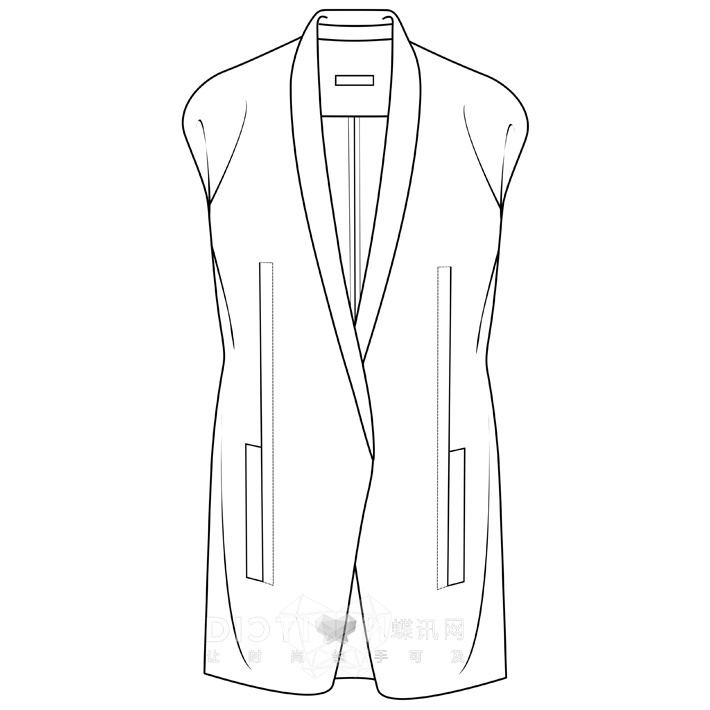
Design Description
Design Concept Analysis
1. Silhouette & Structure
The outerwear (jacket/coat/vest) embraces a tailored yet relaxed silhouette, balancing structured lines with effortless wearability. Depending on the style, it may feature a mid - length cut for polished sophistication (ideal for office layering) or a cropped, oversized fit (on - trend for casual streetwear), ensuring adaptability across occasions. The silhouette flatters the figure while enabling ease of movement, with subtle shaping at the waist (for a feminine touch) or a straight, boxy cut (for minimalist edge), catering to diverse body types and style preferences (e.g., layering over oversized sweaters or form - fitting dresses).
2. Detail & Ornamentation
Key details blend functionality and artistic design: tailored lapels (evoking classic blazer styling) or a stand - up collar (for modern minimalism) add refined structure, while cuffed sleeves (with decorative buttons) or structured shoulder seams (for a power - shoulder effect) enhance visual interest. Practical elements like flap or patch pockets (with contrast stitching for a casual vibe) or hidden zippered pockets (for security) merge utility with style. Fastenings—whether glossy buttons (for a vintage - inspired look) or sleek zippers (for contemporary edge)—ensure the piece transitions seamlessly from day (paired with tailored trousers) to night (over a little black dress).
3. Fabric & Texture
The fabric selection prioritizes durability and aesthetic appeal: a wool - blend (for warmth and texture), twill (for structured drape), or water - resistant synthetic (for rainy - day practicality) ensures the outerwear performs across seasons. Subtle textures—like herringbone weaves, pinstripes, or a soft brushed finish—add depth without overwhelming the design, making it suitable for both formal (office) and casual (weekend) contexts. The material’s weight balances insulation (for cooler weather) with breathability (ideal for layering over light tops in transitional months).
4. Color & Versatility
Color palettes lean toward versatile neutrals (black, navy, camel, or gray) to maximize mix - and - match potential, appealing to consumers seeking wardrobe staples that pair with existing pieces. Alternatively, a bold, saturated hue (e.g., forest green, deep burgundy, or even a pastel tone) positions the outerwear as a statement piece, catering to trend - forward audiences. This color strategy ensures the piece works as a foundational layer (neutral) or a focal point (statement), adapting to personal style preferences and seasonal trends.
5. Functional & Aesthetic Balance
The design strikes a harmonious balance between practicality and aesthetics: warmth is prioritized (via insulated linings or thick fabric) for winter use, while breathability (lightweight construction) supports layering in transitional seasons. Ease of movement (gusseted shoulders, relaxed armholes) allows for active lifestyles, and the silhouette’s versatility (layer over chunky knits or under long coats) enhances its year - round usability. Aesthetically, it merges minimalist chic (clean lines, understated hardware) with retro influences (e.g., 70s - inspired wide lapels or 90s grunge - era oversized cuts), appealing to women who value timeless design with contemporary flair.
6. Target Audience & Use Case
Targeted at multifaceted modern women—from career - driven professionals to style - conscious creatives—the outerwear suits office environments (paired with midi skirts or tailored trousers), casual outings (over denim and sneakers), or elevated evenings (layered over cocktail dresses). It caters to those prioritizing “investment fashion”: pieces that balance trendiness (via silhouette or detail) with longevity (neutral colors, classic silhouettes). The design’s adaptability ensures it remains a wardrobe staple, transcending seasonal trends and offering enduring value.