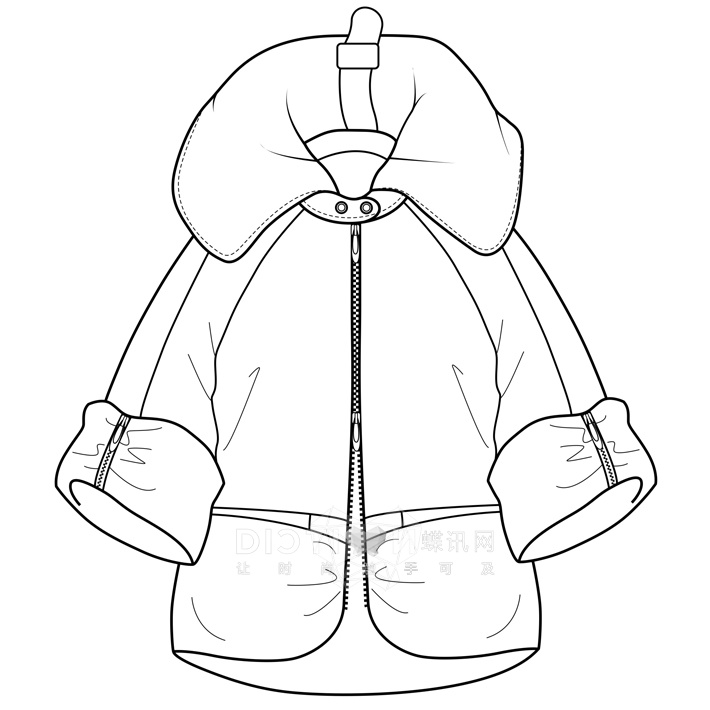
Design Description
Design Concept Analysis: Women’s Winter Coat
1. Functional-Centric Aesthetic
The design prioritizes warmth and practicality, leveraging a padded (or down - filled) construction to insulate against cold weather. This functional core is balanced with fashion - forward details, ensuring the coat serves as both a winter essential and a style statement. The silhouette likely features a tailored or relaxed fit, accommodating layering (e.g., sweaters, turtlenecks) without compromising mobility or a flattering shape.
2. Silhouette & Fit
The coat appears to embrace a versatile fit—possibly mid - length or long—to provide full coverage and warmth. A relaxed, slightly oversized cut (or a structured tailored fit) caters to comfort and layering, while subtle design elements (e.g., a defined waist, angular seams) add a polished touch. This balance between comfort and structure ensures the coat transitions seamlessly from casual outings to semi - formal winter occasions.
3. Fabric & Insulation
Key to the design is its thermal performance: the outer shell likely uses a water - resistant or windproof fabric (e.g., nylon, polyester) to shield against elements, while the inner filling (down or synthetic padding) delivers lightweight warmth. This material choice balances durability, breathability, and insulation, making the coat suitable for varied winter conditions (e.g., snow, wind, sub - zero temperatures).
4. Color & Versatility
Color selection leans toward timeless neutrals (e.g., black, navy, camel) or soft pastels, ensuring the coat complements a wide range of winter wardrobes. This versatility enhances its appeal, as users can style it with jeans, dresses, or tailored trousers. The understated color palette also aligns with minimalist fashion trends, prioritizing longevity over transient trends.
5. Functional Details
Practical features include: (1) A secure zipper (or button) closure to trap heat; (2) Insulated (or fleece - lined) pockets for hand warmth and storage; (3) Adjustable cuffs or a stand - up collar to block drafts; (4) A removable hood (or fixed insulated hood) for adaptability across weather conditions. These details elevate usability, ensuring the coat performs in harsh winters while remaining user - friendly.
6. Fashion - Forward Touches
Subtle design elements add style: (1) Textured fabric (e.g., quilted patterns, matte sheen) for visual interest; (2) Streamlined seams or decorative stitching to enhance the silhouette; (3) Modern hardware (e.g., metallic zippers, sleek buttons) for a polished finish. These touches prevent the coat from feeling overly utilitarian, positioning it as a fashion - conscious choice for women seeking both warmth and trendiness.
7. Target Audience & Use Case
The design targets women aged 25–45 who prioritize versatility, warmth, and style. It suits daily commutes, casual outings, and even semi - formal events with layering. The balance of function (e.g., weather resistance) and fashion (e.g., tailored fit) makes it ideal for urban environments where practicality and aesthetic appeal coexist.
Rating (1–10)
Given its successful blend of warmth, functionality, and modern style, the design earns a 8/10. It addresses core winter needs (insulation, weather protection) while integrating fashion - forward details (tailored fit, versatile color, textured fabric) that resonate with style - conscious consumers. The only potential improvement could be introducing bolder color options or eco - friendly materials to cater to sustainability trends, but as is, it excels in balancing form and function.